

AWS Student Community Day Jalandhar - Planning, Execution & Learnings from the First Edition
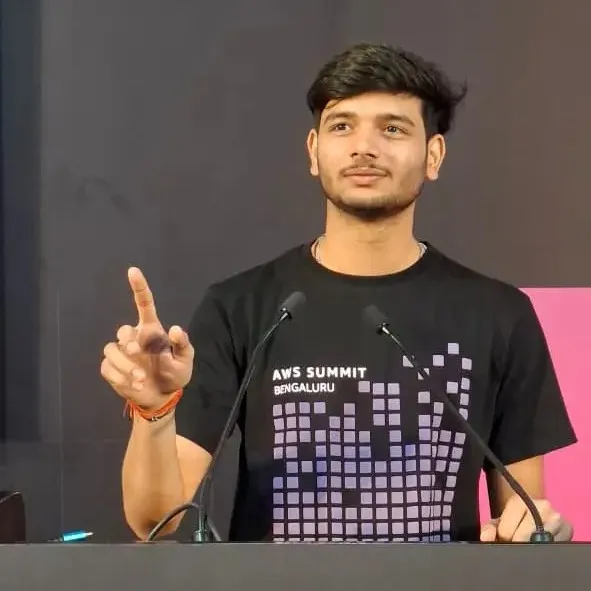
AWS Student Community Day (SCD) is a one-day, community-led conference organized by AWS student communities to bring hands-on learning, peer interaction, and industry exposure closer to students. In 2025, AWS Cloud Club – LPU organized the first-ever AWS Student Community Day in Jalandhar, opening it up to students beyond a single campus. Reflection on how we planned the event, what actually happened on the day, the challenges we faced, and the learnings that may help future Student Community Day organizers
Series: AWS SBG (6 articles)
- 2AWS Student Community Day Jalandhar - Planning, Execution & Learnings from the First Edition This article
Community Context & Why We Organized SCD
AWS Cloud Club – LPU has an active and growing student community across multiple platforms:
- WhatsApp community: ~2,000 members
- awslpu.in dashboard users: 2,000+
- Meetup community: ~900 members
Our regular meetup attendance typically ranges between 200–450 participants. Based on this, we expected strong interest but also knew that a full-day, large-scale event would behave very differently from meetups.
The primary goals of this SCD were:
- Community building at scale
- Student–developer interaction
- Exposure to industry standards and real-world working practices
The event was open to all students, not limited to a single university.
Event Planning & Design Decisions
Registration & Reach
- Total registrations crossed 1,300+
- Actual attendance was 700+, which aligned with expectations for a student-led event.
Tracks & Workshops
We introduced three parallel workshop tracks:
- AI/ML
- Cybersecurity
- DevOps
These were chosen deliberately as they are among the most relevant and emerging fields for students today. Each workshop track had a capacity of ~250 seats.
Track selection was marked as mandatory during registration, but we intentionally avoided forcing students into rigid choices, as we wanted them to attend sessions, they were genuinely interested in.
Infrastructure & Communication
We relied on multiple channels to communicate expectations clearly:
- Event website:
scd.awslpu.in - Official university communication systems (app + website)
- Instagram and social media boosts
Attendance and certification were managed through:
- A QR-based attendance system for workshops
- The university’s face-scan attendance system for morning sessions
Event Day: What Actually Happened
Arrival Patterns & Crowd Management
- Reporting started at 8:30 AM
- Event start time was 9:30 AM
- A major arrival surge occurred around 9:45 AM
- Approximately 80% of attendees arrived during this short window
Despite planning a buffer, the sudden concentration of arrivals created congestion during the opening session in the auditorium (capacity ~2.5K). This was one of the first real lessons of the day: people do not arrive evenly, especially for large student events.
Key Challenges & Learnings
- Crowd Flow & Instruction Compliance
One of the hardest operational challenges was getting students to follow instructions consistently. Even with volunteers stationed at registration points and workshop entrances, many students ignored directions or gathered around venue entry points, creating localized chaos.
Learning:
For events at this scale, communication alone is not enough. Physical barriers, stricter access control, and stronger institutional enforcement are necessary to keep movement structured and chaos-free.
For events at this scale, communication alone is not enough. Physical barriers, stricter access control, and stronger institutional enforcement are necessary to keep movement structured and chaos-free.
- Workshop Track Distribution
Although all three workshop tracks had sufficient capacity, a majority of attendees gravitated toward the AI/ML track on the event day. Fewer than 100 participants had selected tracks beforehand, and despite available seating in other halls, many students chose to wait outside the AI/ML venue rather than attend alternative sessions.
Even with on-ground redirection attempts by volunteers, students often refused to move.
Learning:
Future events should enforce:
Future events should enforce:
- Mandatory track selection with hard caps
- Physical access control at workshop entrances
- Clear redirection paths rather than verbal instructions alone
- Choice without enforcement leads to imbalance.
- Attendance Validation & Duty Leave (DL)
Duty Leave approval was governed entirely by university rules and required:
- Face-scan attendance in the morning session
- QR-based attendance for workshops
Despite this being communicated in advance, some attendees:
- Entered workshops without scanning QR codes
- Skipped the university face-scan attendance in the morning
As a result, attendance could not be validated for around 30 cases, directly impacting DL eligibility and workshop certificate issuance.
Learning:
Attendance systems only work if enforced at entry points. Visual reminders, stricter checks, and fewer manual exceptions are critical, especially when institutional policies are involved.
Attendance systems only work if enforced at entry points. Visual reminders, stricter checks, and fewer manual exceptions are critical, especially when institutional policies are involved.
- Post-Event Benefits & Deadlines
Post-event benefits included:
- Participation certificates (for all verified attendees)
- Free .XYZ domain vouchers for the first 200 registrations
The redemption deadline (30 December) was clearly communicated on the participant dashboard. However, requests continued to come in even weeks later, including mid-January.
Learning:
Deadlines must be communicated repeatedly, but they must also be enforced strictly. Flexibility after expiry creates confusion and dissatisfaction.
Deadlines must be communicated repeatedly, but they must also be enforced strictly. Flexibility after expiry creates confusion and dissatisfaction.
What Worked Well
It’s equally important to acknowledge what went right:
- Strong speaker feedback and high session engagement
- Meaningful student–speaker interactions
- Successful execution of a first-time, large-scale SCD in the region
- A motivated organizing team of ~10 members handling logistics across multiple halls
Despite challenges, the event delivered value to a large number of students.
Key Takeaways for Future SCD Organizers
- Expect arrival surges, plan for peak, not average
- Do not rely only on communication; enforce physically
- Mandatory selections need real enforcement
- Institutional dependencies (like DL) must be over-communicated
- Attendance systems must be enforced at entry, not post-event
- Free events require stricter operational discipline
Personal Reflection as a Student Leader
This event was a strong learning experience for me. The most challenging part was ensuring compliance at scale, getting hundreds of students to follow instructions in real time. If I were to do this again, I would restrict crowd movement near venues much more strictly and work with the university for stronger compliance support.
While there were flaws, I’m glad I took this on. The experience taught me what not to do, and more importantly, how to plan better for future events. These learnings will directly shape upcoming AWS Cloud Club activities and future Student Community Days.
Would I organize another SCD again? Yes.
But I would do it with these lessons firmly in place.
But I would do it with these lessons firmly in place.
Closing Note
Organizing an AWS Student Community Day is challenging, unpredictable, and demanding but also deeply rewarding. I hope these learnings help future Captains plan more confidently and avoid some of the pitfalls we encountered.
If you’re considering organizing an SCD, I’d still strongly encourage you to go for it. just plan for reality, not perfection.
Series: AWS SBG (6 articles)
- 2AWS Student Community Day Jalandhar - Planning, Execution & Learnings from the First Edition This article
Enjoyed reading this content? Let the author know!
Your likes, comments, shares, and saves help creators reach more builders.

Loading recommendations
Loading article