

Connecting Code, Data, and Cloud: Key Insights from Python Work From Home
Key takeaways from the Python Work From Home session on using Python for data engineering and AWS cloud workflows, highlighting community collaboration between Data Engineering Pilipinas, Python Philippines and AWS User Group Philippines.
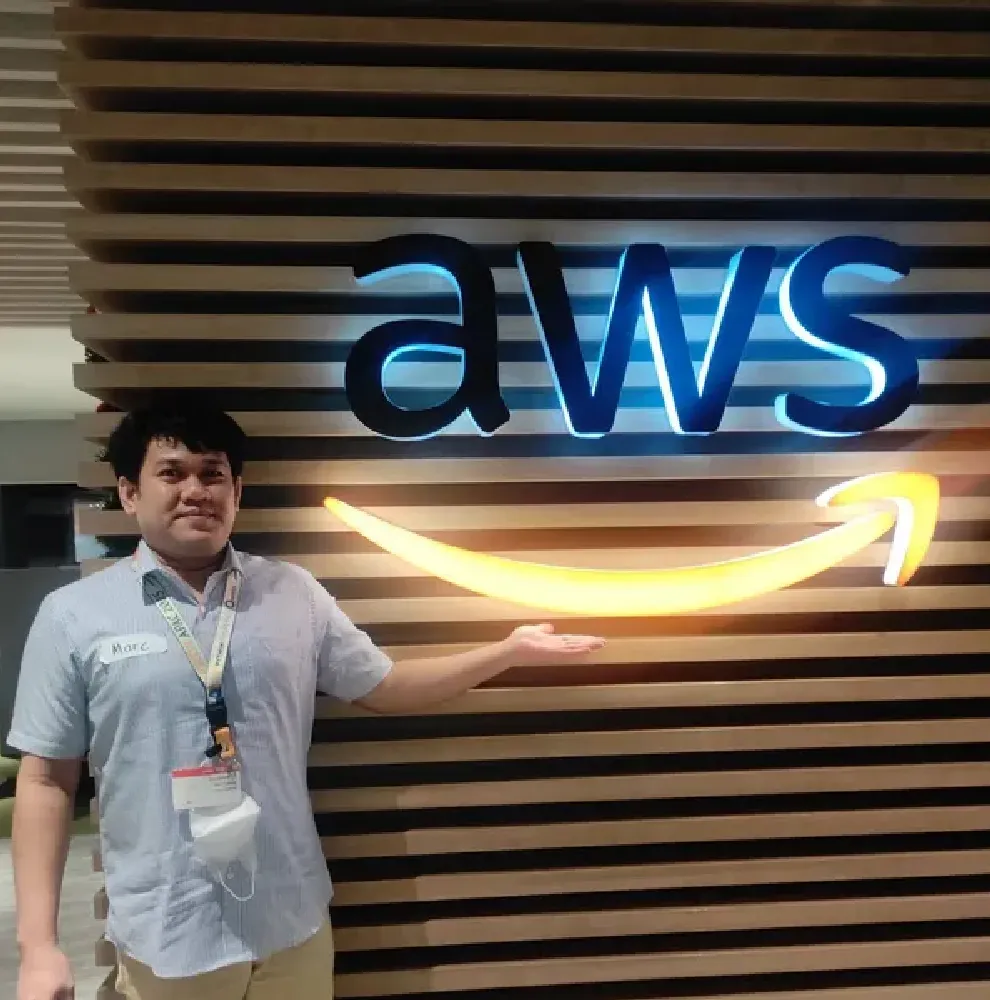
On October 29, I had the honor of speaking as a tech contributor for Data Engineering Pilipinas, Python Philippines, and AWS User Group Philippines. My talk, titled "The Data Engineer's Engine: Python Libraries and Cloud / Data Communities," focused on how Python libraries and cloud ecosystems bridge the gap to modern data engineering.
Here is the story behind the presentation and the key journey I shared with the community:
1. The Starting Point: Transitioning from BPO to Code & Data Fundamentals
Before diving into data engineering, I built a strong foundation in domain operations through 9 years in the BPO industry, handling non-voice accounts for telecommunications (order tracking) and healthcare insurance (plan installations). I also spent 2 years as a Risk Operations Analyst processing financial accounts.
A turning point came when my classmate, a Systems Analyst. He encouraged me to align my career back with my degree: a BS in Computer Science. That inspired me to apply for the DOST-DAP Project SPARTA Data Engineer Pathway, a program designed for CS/IT graduates with a coding background. At the time, my main strength was SQL, with zero knowledge of Python.
Once accepted, I committed to learning Python from scratch. Through subjects on Python for Data Engineering and Machine Learning, I learned to use Anaconda (Jupyter Notebooks) to build projects, submit coursework, and participate in peer-to-peer code assessments. Working with Pandas and NumPy for data cleaning, tabular manipulation, and exploratory data analysis laid the essential problem-solving mindset for my career.
2. The Shift: Moving from Data Analysis to Scalable Data Engineering
As datasets grew, single-node processing in Pandas reached its memory and execution limits for handling continuous data ingestion and automated cloud pipelines.
Upon graduating from DOST-DAP Project SPARTA, I initially thought finding work would immediately follow. However, when I asked the Lead of Data Engineering Pilipinas, that was Sir Myk Ogbinar noting the community was newly established five months prior, his response was a clear "No," because data engineering is not an entry-level job where just anyone can apply. Instead, the lead gave me an opportunity by providing a DataCamp scholarship and advising me to study and build projects in public.
Taking this seriously, I pursued the Data Engineer certification on DataCamp at both the Associate and Professional levels, passing on my 5th attempt because studying Python in Data Engineering is a serious matter. This realization and preparation pushed me to bridge the paradigm gap by learning distributed and modern data tools:
- Graduated from DOST-DAP Project SPARTA (Data Engineer Pathway).
- Earned the DataCamp Certified Data Engineer credentials.
- Scaled local Python models to PySpark, PyArrow, DuckDB, dbt, and Databricks.
3. My WFH Production Ecosystem & Daily Routine
Working remotely as a Cloud Data Engineer relies on a structured workspace and a well-defined technical stack. Before entering the FTW Foundation as a Technical Support Instructor and contributing to the Puso Project Culture Hub Australia, I was already utilizing these tools in data engineering. Recognizing that a solid foundation in cloud computing is essential for becoming a cloud data engineer, I also studied AWS Cloud Practitioner subjects. My core ecosystem includes:
- Local Development & Quality: macOS (MacBook Air), VS Code, Kiro IDE, Zsh terminal, Anaconda environment, and pytest for unit testing.
- Cloud & Data Infrastructure: AWS S3, AWS Lambda, Databricks, PostgreSQL, Supabase, and DuckDB.
- Automation & Governance: AWS CloudWatch, CloudTrail, and EventBridge Schedulers.
My daily routine balances system health log reviews and pipeline transformation modeling in the afternoon, followed by evening code reviews, open-source building, and community mentorship.

4. Giving Back: Active Community Involvement & Mentorship
Technical skills are most meaningful when shared with others. Before becoming fully committed to AWSUG PH, Python Philippines, and Data Engineering Pilipinas, I regularly attended their meetups. Special thanks go to Darla David and Isaeus Guiang, an AWS Community Builder, for introducing me to AWSUG PH with open arms. When I attended my first AWS Meetup in August 2025, I met people who eventually became my friends and mentors, giving me invaluable feedback and constructive criticism on the projects I posted on social media.
In Python Philippines, I want to thank Rodney Estrada for accepting me in the latest PyCon Asia 2026. In 2025, Data Engineering Pilipinas sponsored my ticket to attend PyCon APAC 2025, where I met AWS Heroes and leaders, including Raphael Jambalos, Iggy Yuson, and Samantha Servo. These experiences triggered my passion to serve, as I aspired to follow in their footsteps and contribute back to the community.
- Data Engineering Pilipinas (DEP): Contributed as a Backend Developer for the Culture Hub squad under The Puso Project, managing relational database schemas, SQL migrations, and backend systems.
- FTW (For The Women) Foundation: Volunteer Technical Support Instructor mentoring female scholars in Databricks, SQL, and Data Engineering fundamentals.
- AWSUG PH & AWSUG Batangas: Served as Regional Lead for AWSUG Batangas, co-facilitating workshops, speaking at events, and creating technical articles for the AWS Builder Center.
5. Key Takeaways for Aspiring Data Engineers
- Master Core Python First: Build a solid grounding in Pandas and NumPy before jumping into distributed architectures like PySpark and Databricks.
- Leverage Domain Backgrounds: Your operational experience, whether from BPO, financial risk, or analysis, adds immense value when understanding raw business data.
- Consistency & Humility: Daily discipline and being open to peer feedback accelerate technical growth.
- Actively Ask for Feedback: Seek constructive feedback from mentors and peers to continuously learn, improve, and deliberately focus on strengthening your weak points.
- Share Generously with the Community: Share your insights, learnings, and best practices with others (huwag madamot). Giving back uplifts the entire ecosystem.
- Be Community-Driven: Engage with tech groups like DEP, Python PH, and AWSUG PH to learn, build, and grow together.
As a re-applicant for the incoming AWS Community Builders program, I wanted to share these key insights from the Python Work From Home session. Whether accepted into the incoming cohort or not, I will continue to contribute, share knowledge, and support fellow builders on this platform, because community building is a mindset, not just a title.
For the reference please see my slides and presentation in Facebook Live from Python PH:
https://canva.link/uholtqzbkdw9yj9 https://www.facebook.com/pythonph/videos/1470428965215492 https://www.facebook.com/pythonph/posts/pfbid035mqZN5gRBxoJaE3ayQr4GeqM61ySWN4XT3QpBh4NT47X2tpk3rGW2793nxWLUaCGl
Enjoyed reading this content? Let the author know!
Your likes, comments, shares, and saves help creators reach more builders.

Loading recommendations
Loading article