

Building AWS Student Community Day Santa Cruz, Bolivia 2026
How students in Santa Cruz coordinated universities, AWS communities, speakers, sponsors, and volunteers to build and run a student-led AWS community event.
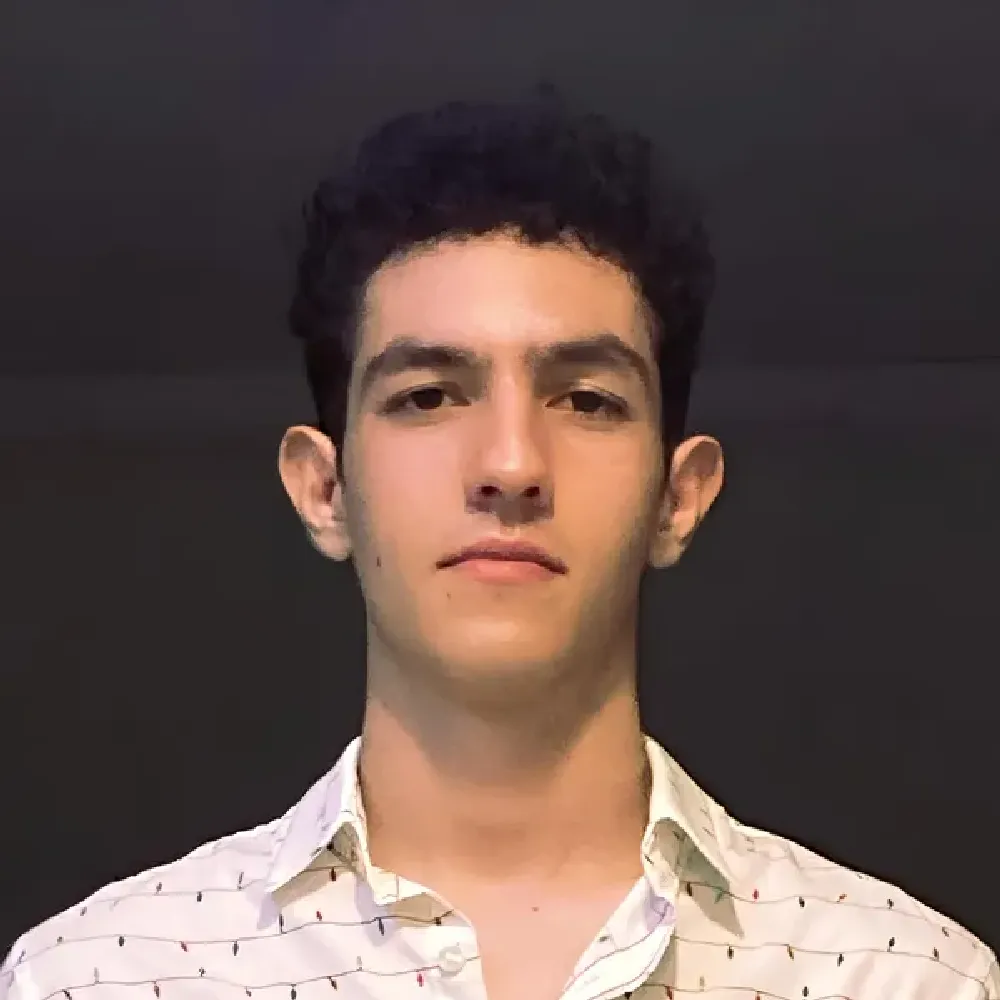
On October 24, 412 people came to UPB Santa Cruz in Bolivia for AWS Student Community Day Santa Cruz 2026.
A few months earlier, the event existed mostly as an idea shared by a group of students.
By event day, that idea had grown to 665 registrations, 24 speakers, 18 student organizers, 20 talks, two hands-on workshops, two community panels, 45 volunteers, three sponsors, and five spaces supporting parallel activities throughout a day that ran from 8:00 AM until nearly 6:00 PM.
Behind those numbers were months of planning, university processes, speaker coordination, partnerships, technical operations, logistics, and many people deciding to contribute their time to make the event work.

Opening Ceremony - AWS Student Community Day Santa Cruz 2026
From an idea to 665 registrations
We wanted to create a place where students could learn directly from people building real technology, discover different paths inside the AWS ecosystem, meet communities outside their own university, and leave with something useful to continue exploring afterward.
How would hundreds of people move through the campus? What happened if the auditorium filled up? How many accreditation stations did we need? Who would support each room? How would workshops, virtual talks, community stands, sponsors, food, audiovisual equipment, and volunteers operate at the same time?
By event week, more than 600 people had registered.
What initially looked like a content and community challenge quickly became an operations challenge.
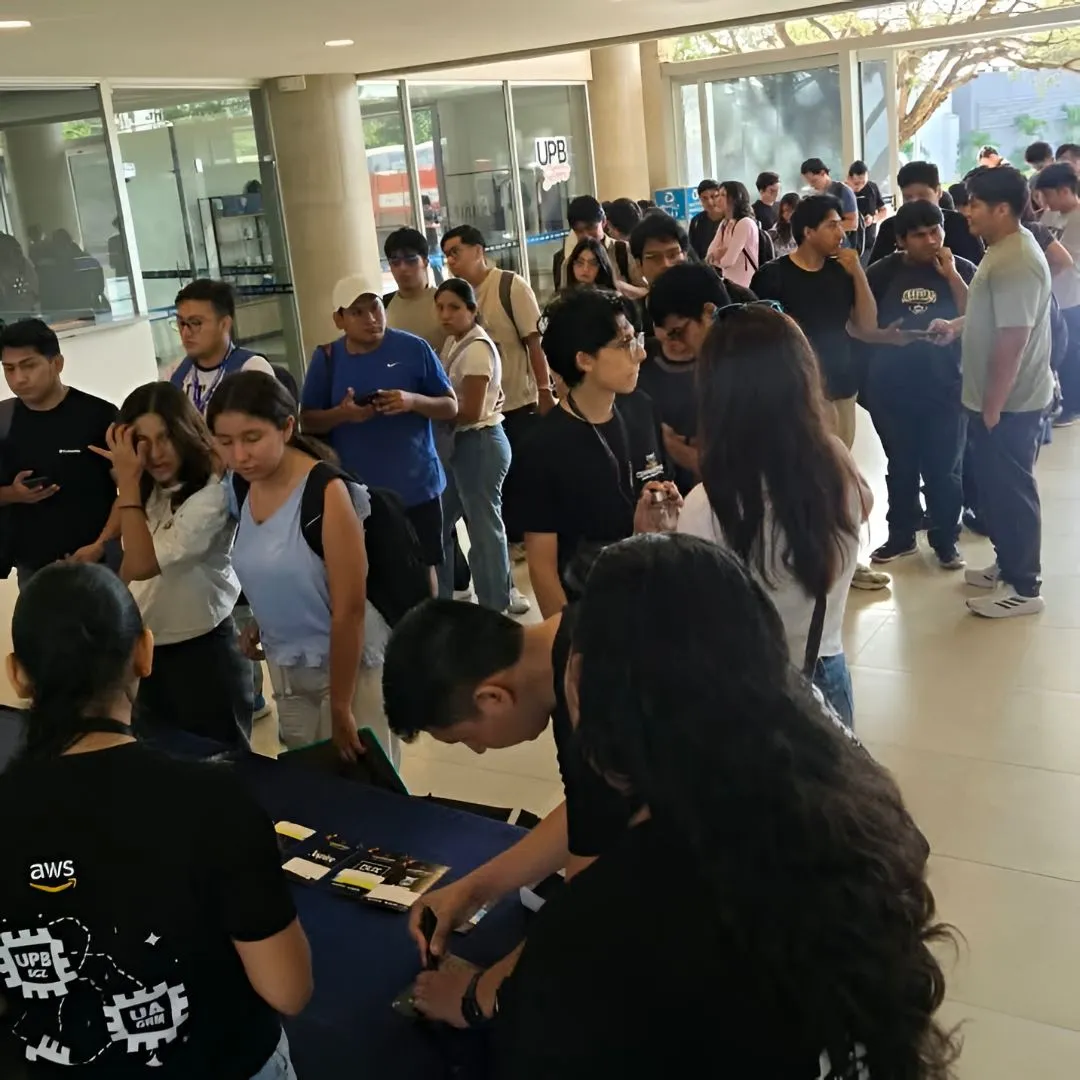
Accreditation queue - AWS Student Community Day Santa Cruz 2026
Built by students
AWS Student Community Day Santa Cruz brought together the AWS Student Builder Groups at UPB, UCB, and UAGRM around the same event.
Our final organizing team grew to 18 students, with people taking responsibility across technology, speakers, marketing, partnerships, sponsors, communities, registration, logistics, finance, volunteers, audiovisual operations, and attendee experience.
As the lead organizer, I worked with my Core Team at UPB: Alan Arias, Adriana Bauer, Marianne Tudor, Uziel Fassi, and Miguel Ángel Achá, together with Sofia Arduz and Alexei Fernandez.
From UCB, the organizing team included Dariana Pol, Nicole Lozada, Rafael Vargas, Ana Cabrera, Ariany Lopez, and Nicole Ugarte.
From UAGRM, Teresa Honor, Raquel Sahonero, Valeria Jimenez, and Ana Liz Canaviri also became part of the organizing effort.
The team came together progressively as the event developed, and during the key months of planning and execution we were coordinating across the different areas that eventually had to work together on October 24.
All of this happened while everyone was still balancing university, exams, work, projects, and other responsibilities.

Part of the organizing team - AWS Student Community Day Santa Cruz 2026
The institutional support that helped turn a student idea into a real event
Being student-led did not mean doing everything alone.
At UPB, one of the people who made the project possible from very early on was Sergio Barrientos, Head of Computer Systems Engineering and Artificial Intelligence at UPB Santa Cruz.
He became our main bridge with the university.
Whenever an idea needed to become an actual institutional process like securing spaces, coordinating infrastructure, reaching university authorities, navigating approvals, or working through funding, Sergio helped us move those conversations forward.
For a student team trying to operate an event of this scale inside a university, having someone willing to help us navigate those processes made an enormous difference.
Carlos Foronda Rojas, Ph.D., Vice Rector of UPB Santa Cruz, provided institutional backing to the initiative and supported the university funding that helped make the event possible.
Juan Pablo González, M.Sc., Coordinator of the Faculty of Engineering, also supported the initiative and joined the opening of the event.
Alex Villazón, Ph.D., National Dean of Technological Development and Innovation at UPB participated in the opening ceremony as well.
From UCB, Juan Pablo Villazón, from the engineering leadership team at UCB Santa Cruz, helped us promote the event across the UCB community.
Their support mattered because an event of this scale eventually needs more than enthusiasm from students.

Opening remarks by Sergio Barrientos, Alex Villazón, Ph.D. and Juan Pablo González, M.Sc.
Support from AWS and the Student Builder Groups program
The Student Builder Groups program gave us something especially valuable: responsibility.
AWS Student Community Days are not events where AWS arrives and builds everything for students.
The local student team owns the planning and execution.
But having that responsibility also means having people who can guide and support you when the scale starts increasing.
Erin Kilduff, my Asset Manager within the AWS Student Builder Groups program, was part of that support throughout my SBG journey and the process around the event.
At the regional level, the AWS LATAM community team also played an important role.
Special thanks go to Alejandra Bricio, AWS Developer Community Manager for LATAM, for her continued support of the Student Builder Groups and the community ecosystem across the region.
Axel Espinosa, AWS Developer Advocate, also supported us with sandbox accounts for the workshops through the regional AWS community network.
Learning from the AWS community that had done it before
We also had an important advantage.
Less than two months earlier, on August 29, AWS Community Day Bolivia 2026 had taken place in Santa Cruz.
That meant members of the local AWS community had very recent experience dealing with many of the same challenges we were about to face.
The AWS User Group Santa Cruz de la Sierra became an important source of advice and support throughout the process.
In particular, Afu Tse, Rodolfo Justiniano, Isaac Jaldin Benavides, and José Jesús Cabrera shared lessons from Community Day, answered questions, gave us practical advice, supported us during the event itself, and consistently encouraged the student team to keep moving forward.
That support saved us from having to discover every lesson from zero.
It also showed us what the relationship between Student Builder Groups and User Groups can look like when it works well.
The AWS User Group Artificial Intelligence Bolivia also helped extend the reach of the event, with Carla Florida (Carli Code) supporting its promotion and contributing to the technical agenda as a speaker.

AWS User Group Santa Cruz de la Sierra leaders at AWS Student Community Day Santa Cruz 2026
A full day with different learning paths
We did not want everyone attending the event to follow the same agenda.
Several spaces across the campus operated simultaneously so each attendee could decide what they wanted to learn.
The final program included:
- 20 talks
- 2 hands-on workshops
- 2 community panels
- Multiple rooms operating in parallel
Topics included:
- Cloud architecture
- Generative AI
- AI agents
- Cybersecurity
- DevOps
- Infrastructure as code
- Serverless
- Observability
- Data engineering
- Backend systems
- APIs
- Containers
- QA
- IoT
- Startups
- AI governance
- Career development
- AWS certifications
The goal was to make the event useful for people at very different stages.
Someone attending their first cloud event should have been able to find a clear place to start.
Someone already working in the industry should have been able to spend the day discussing architecture, security, observability, infrastructure, data, or production AI systems.
Instead of building one learning path, we wanted attendees to build their own.

24 speakers who trusted a student-led event
None of the agenda exists without people willing to share what they know.
Our 24 speakers represented different stages and areas of the technology ecosystem, students, software engineers, founders, data engineers, security specialists, DevOps professionals, AWS Community Builders, community leaders, and professionals working directly with AWS technologies.
But what stood out most was not only what happened during the scheduled sessions.
Many speakers stayed afterward to answer questions, talk with students, exchange ideas, and continue conversations outside their allotted time.

Community beyond AWS
AWS Student Community Day was also an opportunity to connect the AWS ecosystem with the wider student and technology community in Santa Cruz.
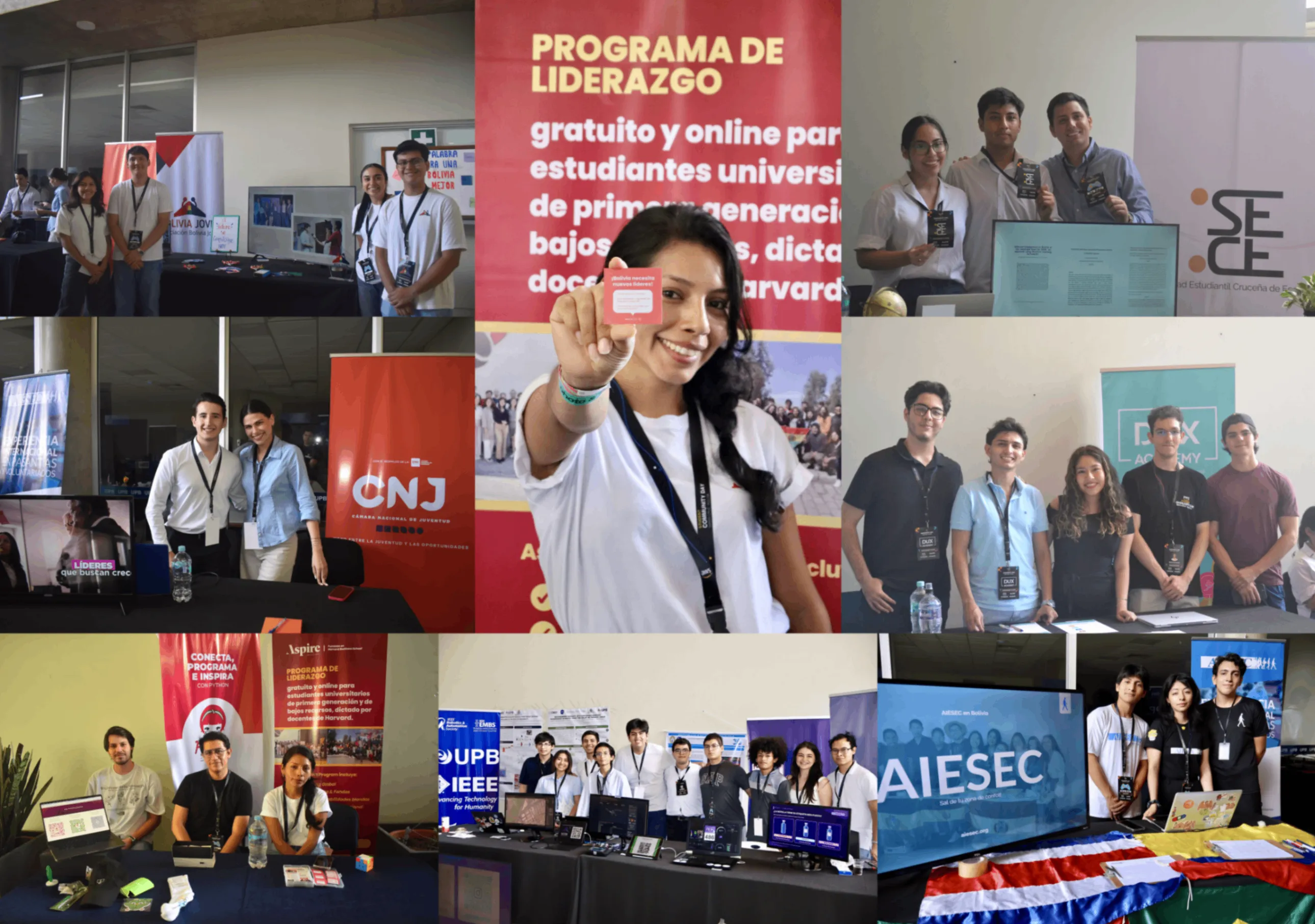
Partner organizations participated through dissemination, stands, conversations with attendees, and two dedicated panels.
Youth Leadership and Impact
The first panel brought together organizations working around youth leadership and community initiatives to discuss how young people can turn ideas into projects and create opportunities for others.
Technology and Learning
The second focused on technical communities and the role they play in learning through events, workshops, projects, mentoring, and collaboration.
Among the communities involved around the event were:
- IEEE
- Cámara Nacional de Juventud - CNJ Bolivia
- SECE
- Bolivia Joven
- Aspire Leaders Program
- DUX Academy
- DBI Jr.
- PyLadies Santa Cruz
Several had their own spaces throughout the day, allowing attendees to understand what they do and, more importantly, how to join them afterward.
Two short panels that became some of the most dynamic moments of the day
A panel can easily become a series of introductions and disconnected answers.
We did not have much time available for ours, which made the moderators especially important.
Marcelo Anibarro and Nicole Lozada took on that responsibility.
They kept the discussions moving, connected ideas between panelists, asked follow-up questions, and made sure the conversations produced something useful within a very limited amount of time.

A break to recharge and connect
With activities running from morning until nearly 6:00 PM, the day also needed time to slow down.
Coffee and lunch gave attendees, speakers, volunteers, and organizers a chance to recharge, continue conversations outside the sessions, and meet people they may not have crossed paths with inside a classroom.
Some of the best conversations of a community event happen between sessions, over coffee, or while sharing a table.

Making attendees part of the experience
We also experimented with ways of getting attendees to interact with the event beyond simply choosing sessions from the agenda.
Throughout the day, participants could complete missions designed to encourage them to explore different rooms, attend sessions, interact with organizers and speakers, and discover other parts of the venue.
One activity even involved finding a hidden event sticker.
These were small additions compared with the technical agenda, but they gave people a reason to move around, meet others, and interact with parts of the Community Day they may otherwise have missed.
The organizations that made free access possible
Keeping the event free was important from the beginning.
A student interested in cloud, cybersecurity, AI, or software engineering should not be excluded because they cannot pay for a conference ticket.
Amazon Web Services - Main Sponsor
AWS supported the event as Main Sponsor.
That support included resources connected to the Student Builder Groups program as well as coordination through AWS's regional LATAM community structure.
Universidad Privada Boliviana - Platinum Sponsor and Venue
UPB hosted the event at its Santa Cruz campus and provided essential institutional, infrastructure, and financial support.
The campus allowed us to operate an auditorium, classrooms, laboratories, registration spaces, community stands, sponsor areas, audiovisual equipment, and the other infrastructure necessary for a multi-track event.
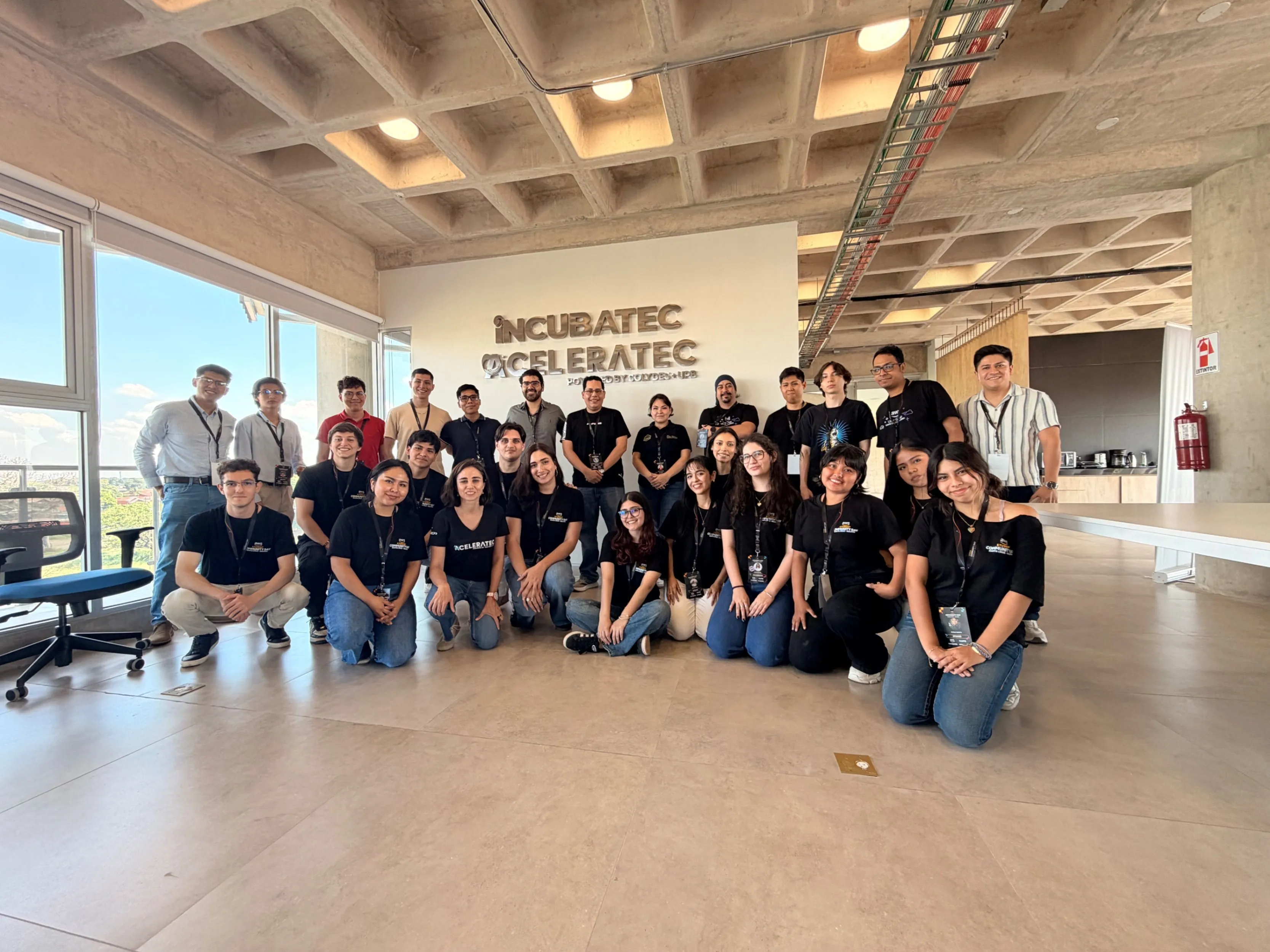
Aceleratec & Incubatec - Silver Sponsor
Aceleratec & Incubatec joined the event as Silver Sponsor.
A special thank you goes to Inga Ybarnegaray, Coordinator of Incubatec Santa Cruz, who supported the team during the process, helped facilitate contact with one of our speakers, and worked with us on ways Aceleratec and Incubatec could contribute to the event.

The volunteers who turned plans into an event
With hundreds of attendees, several rooms, workshops, speakers, sponsors, communities, registration, technical equipment, and activities happening simultaneously, we needed people distributed across the entire campus.
Our volunteers became a crucial part of the operation.
They helped with:
- Registration and accreditation
- Attendee orientation
- Room coordination
- Speaker support
- Session transitions
- Technical and audiovisual assistance
- Community and sponsor spaces
- Content and photography
- Logistics
- Attendee questions
- Unexpected issues throughout the day
For many attendees, a volunteer was also the first person representing the event that they interacted with.
They were the people answering questions, giving directions, helping speakers, solving small problems, and making sure the next activity could begin.

Support across UPB
As the event grew, different teams across UPB also contributed to the operational side of making it happen.
I want to recognize the university teams that supported areas such as:
- Administration
- Marketing and communications
- Infrastructure
- Audiovisual and technical support
- Campus operations
- Security
- Maintenance
- Event logistics
Those contributions became increasingly important during the final days and throughout the event itself.
The part attendees never see
A one-day event creates an interesting illusion.
People arrive in the morning and everything already seems to exist.
Registration is open.
Signs are installed.
Speakers know where to go.
Slides appear on the correct screens.
Microphones work.
Community stands are ready.
Virtual speakers connect.
Workshops have internet.
Food arrives.
Someone is taking photos.
The agenda keeps moving.
None of that happens automatically.
Behind those hours were months of speaker calls, university approvals, budgets, vendor coordination, room plans, volunteer assignments, presentation collection, Internet tests, audiovisual checks, signage, transportation, catering, sponsor conversations, community coordination, press, social media, spreadsheets, backup plans, and messages at hours when nobody should probably still be discussing an event.
What we learned
1. Students can operate at a much larger scale than they expect
Most of us had organized smaller activities before.
Running something for hundreds of attendees required a different level of planning, documentation, communication, decision-making, and accountability.
The only real way to learn that was by doing it.
2. Collaboration between SBGs works best when people take real ownership
Having multiple communities involved is not valuable because it increases the number of logos attached to an event.
It becomes valuable when people from those communities take responsibility for real parts of the work.
3. Volunteers need context, not only instructions
There is a big difference between telling someone where to stand and helping them understand the objective of their area, what attendees need, and who they should escalate problems to.
The second approach creates people who can solve problems.
4. Speaker experience begins weeks before the session
Good speaker management includes communication, scheduling, presentations, technical requirements, virtual links, arrival information, assigned contacts, and follow-up.
The easier that process becomes, the more speakers can focus on sharing useful content.
5. Ask people who have already done it
The guidance we received from the AWS User Group and people who had just organized Community Day saved us time, mistakes, and unnecessary experimentation.
6. Community partners extend the life of an event
Student Community Day lasted one day.
The organizations attendees discovered during it did not disappear the next morning.
Those communities are where many of the relationships created at the event can continue.
7. Small operational details become the attendee experience
Most people will never know how many spreadsheets, calls, documents, approvals, and messages existed behind the event.
They will remember whether someone helped them.
They will remember the workshop that worked.
They will remember a speaker staying afterward to answer their question.
They will remember meeting a community.
They will remember the people.
When operations work well, most of them become invisible.
Together, those invisible details become the experience.

What 400+ attendees really means
We are proud of what we achieved, but attendance was never supposed to be the final outcome.
Someone may build their first AWS project.
Someone may start preparing for a certification.
Someone may join an AWS Student Builder Group or User Group.
Someone may become part of one of the partner communities they discovered that day.
Someone may decide to submit their first technical talk.
Someone may find a mentor.
Someone may meet a future teammate, collaborator, employer, or co-founder.
Or someone may simply leave knowing that there are hundreds of other people in Santa Cruz interested in learning and building technology too.
Those connections are difficult to measure.
They are also one of the biggest reasons events like this matter.
Thank you for helping us turn an idea shared by a group of students into an experience worth building together.
Enjoyed reading this content? Let the author know!
Your likes, comments, shares, and saves help creators reach more builders.

Loading recommendations
Loading article