
Cloud Computing Explained: What It Is and Why We Need It
Learn the basics of cloud computing, why businesses are moving to the cloud, and how AWS makes it easier to build, deploy, and scale applications without managing physical servers.
Series: Cloud Computing Insight (1 article)
- 1Cloud Computing Explained: What It Is and Why We Need It This article

Cloud Computing Explained: What It Is and Why We Need It
Cloud computing is one of the most important technologies in today's IT industry. From hosting websites to running large applications, businesses use cloud services to make their work easier, faster, and more efficient.
When I started learning AWS, I wanted to understand one simple thing: why do we need cloud computing when we already have physical computers and servers?
Let's understand it in simple terms.
What Is Cloud Computing?
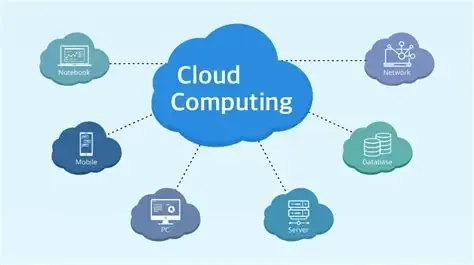
Cloud computing means accessing computing resources such as servers, storage, databases, and networking over the internet instead of managing all the physical hardware yourself.
For example, if you want to host a website, you don't necessarily need to purchase a physical server. You can launch a virtual server using Amazon EC2 and deploy your website on it.
This saves time, reduces the need for upfront hardware investment, and makes it easier to manage applications.
Why Do We Need Cloud Computing?
1. Cost Savings
Businesses don't need to purchase expensive servers and networking equipment upfront. They can use cloud resources and pay according to their usage and pricing plan.
2. Scalability
If your application starts receiving more traffic, cloud services can help you increase resources to handle the demand.
3. Accessibility
Cloud resources can be accessed and managed over the internet from different locations, depending on network access and permissions.
4. Reliability
Cloud providers offer services that help businesses build reliable applications, maintain backups, and recover from infrastructure failures.
Understanding Cloud Computing Through AWS
Amazon Web Services (AWS) provides different services for building and managing cloud infrastructure.
Here are a few important services for beginners:
- Amazon EC2: Launch and manage virtual servers.
- Amazon S3: Store files, images, and backups.
- AWS IAM: Manage users, roles, and permissions.
- Amazon VPC: Create and manage virtual networks.
- AWS Lambda: Run code without directly managing servers.
These services are useful starting points for anyone learning cloud computing.
How Cloud Computing Connects with DevOps
Cloud computing plays an important role in DevOps. It provides the infrastructure needed to build, test, deploy, and monitor applications.
For example, a developer can push code to GitHub, use Jenkins to automate the CI/CD pipeline, package an application with Docker, and deploy it on AWS.
This combination helps teams automate repetitive tasks and deliver software more efficiently.
How to Start Learning AWS
If you're a beginner, start with cloud computing fundamentals, Linux, and basic networking. Then explore IAM, EC2, S3, and VPC through hands-on practice.
You can begin learning through AWS Skill Builder , which offers official AWS learning resources.
Conclusion
Cloud computing has changed how businesses build and manage applications. It provides flexibility, scalability, and access to powerful computing resources without requiring organizations to manage all the underlying hardware.
As I continue learning AWS, my goal is to understand these services through practical projects rather than just theory.
This is the first article in my AWS Builder learning series. Let's learn cloud computing step by step and build something practical along the way.
Like and follow for more such content!
Series: Cloud Computing Insight (1 article)
- 1Cloud Computing Explained: What It Is and Why We Need It This article
Enjoyed reading this content? Let the author know!
Your likes, comments, shares, and saves help creators reach more builders.

Loading recommendations
Loading article