
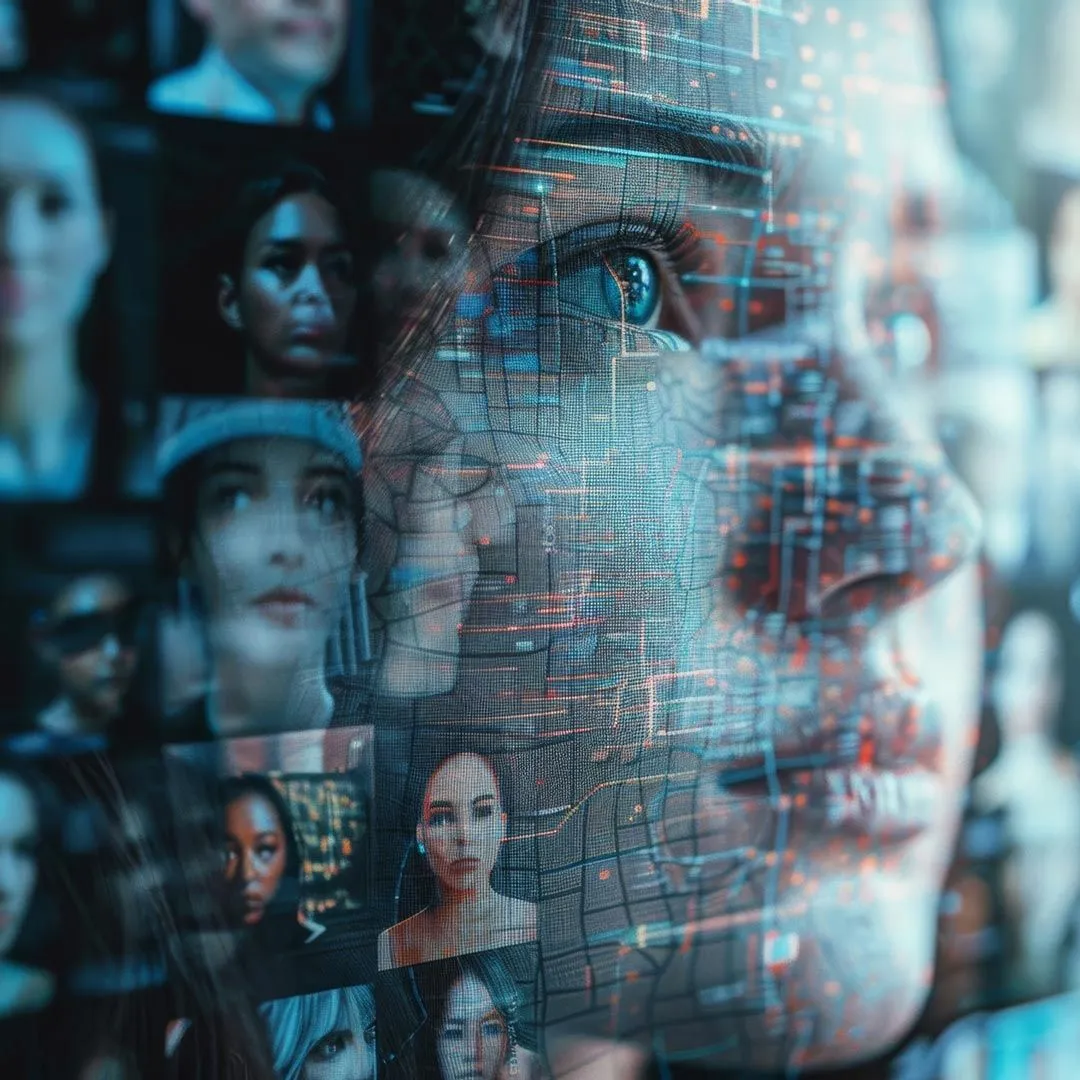
Pixel Truth: Exposing Digital Deception Through AI-Powered Image Forensics
Pixel Truth is an AI-powered web application designed to detect manipulated and AI-generated images by analysing pixel patterns and synthetic image features. It aims to help identify altered photos used for cyberbullying, blackmail, misinformation, and fake certificates. By making image forensics more accessible, Pixel Truth promotes digital trust, authenticity, and online safety. The project is currently in the implementation stage.

Introduction
In today's digital world, images are no longer always reliable evidence of reality. Advances in Artificial Intelligence (AI) have made it possible to generate highly realistic images and manipulate existing photographs with increasing sophistication. While these technologies have many positive applications, they can also be misused to spread misinformation, create fraudulent documents, damage reputations, and exploit innocent people.
One of the most concerning consequences is the misuse of manipulated and AI-generated images to harass, threaten, or blackmail women and girls. Fabricated images can be used to create false impressions about a person, invade their privacy, and cause serious emotional and reputational harm. AI-generated or altered documents and certificates can also be used to misrepresent qualifications and deceive institutions, employers, or the public. These challenges highlight the need for reliable tools that help people assess the authenticity of digital images.
The Idea Behind Pixel Truth
Pixel Truth is an AI-powered image-forensics web application currently in the implementation stage. Its primary objective is to help identify potentially manipulated and AI-generated images by analysing visual and pixel-level patterns that may not be easily noticeable to the human eye.
Unlike approaches that rely only on visual inspection, Pixel Truth aims to examine underlying image characteristics to identify possible signs of digital alteration or synthetic generation.
How Does Pixel Truth Work?
The proposed system focuses on two main forms of image analysis:
1. Manipulated Image Detection
When an existing photograph is edited, certain regions may exhibit inconsistencies in pixel patterns, texture, noise, lighting, or other visual characteristics. Pixel Truth aims to analyse these potential inconsistencies to identify signs of manipulation, including image splicing, copy-move alterations, and object removal.
2. AI-Generated Image Detection
Images produced by generative AI models can contain statistical patterns and visual characteristics that differ from those commonly found in natural photographs. Pixel Truth aims to analyse such patterns and learn discriminative features that can help distinguish AI-generated images from authentic photographs.
By combining these two approaches, the application seeks to provide a practical way to assess suspicious images and support more informed decisions about their authenticity.
Why Is This Project Important?
The motivation behind Pixel Truth extends beyond technology. It addresses the growing need for digital trust and responsible use of AI.
- Protecting individuals: Helping users identify signs of manipulated imagery that may be used for harassment, impersonation, or blackmail.
- Supporting document verification: Helping flag potentially fabricated or altered certificates and other image-based documents for further verification.
- Combating misinformation: Assisting users in assessing suspicious images before accepting or sharing them as genuine.
- Promoting digital awareness: Encouraging people to question the authenticity of images rather than relying entirely on what they see.
Pixel Truth is not intended to blame victims or replace official investigations. It aims to provide an additional layer of technical analysis that can help users recognise potential digital deception.
Technical Approach and Innovation
The proposed application centres on image processing, machine learning, and digital forensics. Its development involves preparing datasets containing authentic, manipulated, and AI-generated images; extracting relevant image features; training and evaluating detection models; and integrating the resulting models into a web-based interface.
An important challenge is ensuring that the models generalise to images from different sources, editing tools, compression levels, and AI generators. Pixel-level differences alone cannot guarantee authenticity, so the system must be evaluated using appropriate datasets and performance metrics.
The intended output is an evidence-informed assessment of an uploaded image, with suspicious regions highlighted where supported by the model. The reliability of each detection capability will depend on training quality, testing, and real-world evaluation.
Vision for the Future
Pixel Truth aims to contribute to a safer and more trustworthy digital environment by making image-forensics technology more accessible. As AI-generated and manipulated content becomes increasingly realistic, tools that help assess digital authenticity may become valuable in education, recruitment, journalism, cybersecurity, and personal digital safety.
The long-term vision is to develop a system that not only detects potential image manipulation but also helps users understand why an image has been flagged, while communicating uncertainty responsibly.
Pixel Truth — Because seeing should not always mean believing.
Enjoyed reading this content? Let the author know!
Your likes, comments, shares, and saves help creators reach more builders.

Loading recommendations
Loading article