
AWS Global Infrastructure: Regions, Availability Zones, and How AWS Architects for Failure
A look at how AWS's global infrastructure is built for fault tolerance and scale, from Regions and Availability Zones to Edge Locations, plus an overview of the core AWS service categories every builder should know.

Body:
Hello everyone. I am Samuel Akinwonmi, a fellow builder on AWS Builder Center. I just completed Module 3 of the AWS Cloud Foundations Course organized by AWS Cloud Clubs, FUTA, and this module gave me a much clearer picture of how AWS actually delivers its services globally. Here is what I learned.
Regions and Availability Zones
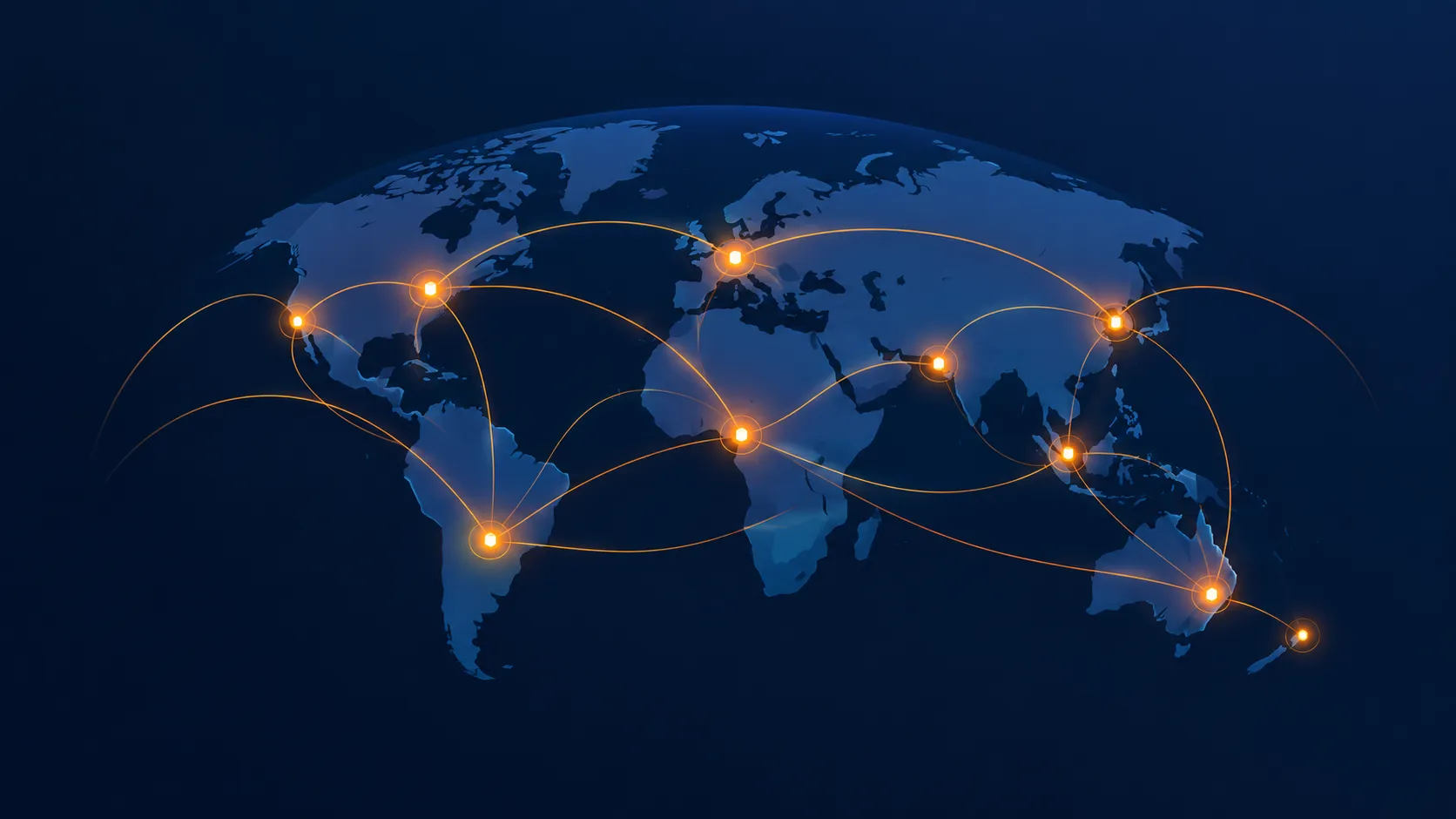
The AWS global infrastructure is designed to deliver flexible, scalable, reliable, and secure cloud computing environments with high-quality global network performance. The first Region AWS ever created was us-east-1 (Northern Virginia), established in 2006. The course material referenced 22 Regions, but because AWS is constantly expanding, I checked the live AWS Global Infrastructure map myself and found there are currently 39 Regions and 124 Availability Zones, with just one Region in Africa, located in Cape Town, South Africa.
A Region is a geographical location where AWS has built data centers, and each Region is made up of Availability Zones (AZs), which are separate, isolated data center locations within that Region. To achieve fault tolerance and stability, Regions are isolated from one another, and data stored in one Region is not automatically replicated to another. Replication across Regions is a decision users make based on their own business needs.
Interestingly, Regions created before March 20, 2019 are enabled by default, while those created after that date are disabled by default and must be enabled through the AWS Management Console. Some Regions, like AWS China, also have restricted access.
Choosing the Right Region
Before this module, I had not considered how many factors go into picking a Region. The main ones are:
- Data governance and legal requirements
- Proximity to customers (latency)
- Services available within the Region
- Cost, which varies by Region
Architecting for Failure
AWS data centers are designed to be highly secure, but rare cases can still cause a problem in a particular data center, leading to the unavailability of an instance. This is exactly why it is not advisable to keep all instances of a product in a single Availability Zone — spreading across AZs is how AWS architects for failure, giving you elasticity and scalability, fault tolerance, and high availability by design.
Edge Locations, Wavelength, and Local Zones
Beyond Regions and AZs, AWS infrastructure includes Points of Presence (PoPs), which include Edge Locations. AWS CloudFront uses Edge Locations to deliver content faster by keeping popular content physically close to users, while Regional Edge Caches sit as a layer between Edge Locations and their origins. PoPs, more broadly, are the infrastructure AWS uses to interact with users' network traffic.
AWS Service Categories
The module also broke down AWS services into clear categories, and seeing them grouped this way made the ecosystem feel far less overwhelming:
- Storage: S3, EBS, EFS, S3 Glacier
- Compute: EC2, EC2 Auto Scaling, ECS, ECR, Lambda, EKS, Fargate
- Database: RDS, Aurora, Redshift, DynamoDB
- Networking and Content Delivery: VPC, Elastic Load Balancing, CloudFront, Transit Gateway, Route 53, Direct Connect, VPN
- Security, Identity, and Compliance: IAM, Organizations, Cognito, Artifact, KMS, Shield
- Cost Management: Cost and Usage Report, Budgets, Cost Explorer
- Management and Governance: Management Console, Config, CloudWatch, Auto Scaling, CLI, Trusted Advisor, Well-Architected Tool, CloudTrail
I have learnt quite a lot, and this module in particular helped me see AWS less as a single product and more as a deliberately engineered global system. Next up, I will be sharing more as I continue through the course.
Enjoyed reading this content? Let the author know!
Your likes, comments, shares, and saves help creators reach more builders.

Loading recommendations
Loading article