
IAM Basics for Beginners: Users, Roles and Least Privilege
My beginner notes on AWS Identity and Access Management, explaining users, roles, policies and why least privilege is a core security habit.

What is IAM?
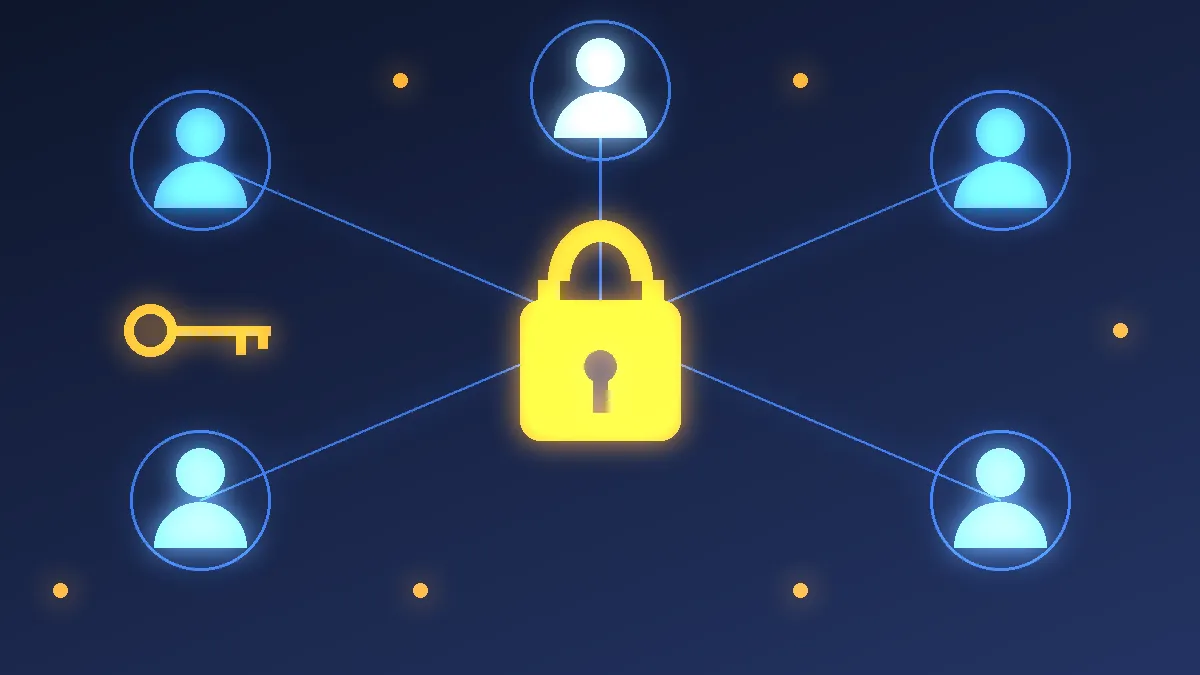
AWS Identity and Access Management (IAM) controls who can do what in your AWS account.
Key terms
- User: an identity for a person or application
- Group: a collection of users that share permissions
- Role: a set of permissions that can be assumed temporarily, for example by a service
- Policy: a document that defines allowed or denied actions
Least privilege
Give an identity only the permissions it needs, and nothing more. If something goes wrong, the damage is smaller.
Good habits to start with
- Do not use the root user for daily work.
- Turn on MFA, especially for the root user.
- Prefer roles and temporary credentials over long-lived access keys.
- Review permissions regularly and remove what is not used.
Why it matters
Many cloud security problems come from weak access control, not from advanced attacks. Learning IAM early gives you a strong foundation.
I am studying this as part of my Cloud Practitioner preparation. What IAM mistake would you warn beginners about?
Enjoyed reading this content? Let the author know!
Your likes, comments, shares, and saves help creators reach more builders.

Loading recommendations
Loading article