
Architecting Multi-Tenant Databases on AWS: Silo vs. Pool Models for SaaS
Evaluating database isolation strategies for a white-label web ERP using Amazon RDS and Aurora Serverless.

As I continue developing a white-label web ERP with a Next.js and React frontend, the architectural focus has shifted from edge routing to backend data isolation. When designing the database layer for a multi-tenant SaaS, ensuring data privacy while maintaining cost-efficiency is a delicate balance.
I am currently evaluating two primary models for deploying the relational backend on AWS.
The first is the Pool Model (Shared Database, Shared Schema). All tenant data resides in a single Amazon RDS instance and is separated logically by a tenant_id column. This is highly cost-effective and simplifies schema migrations, but it introduces the risk of "noisy neighbors" and requires strict row-level security (RLS) to prevent data leaks.
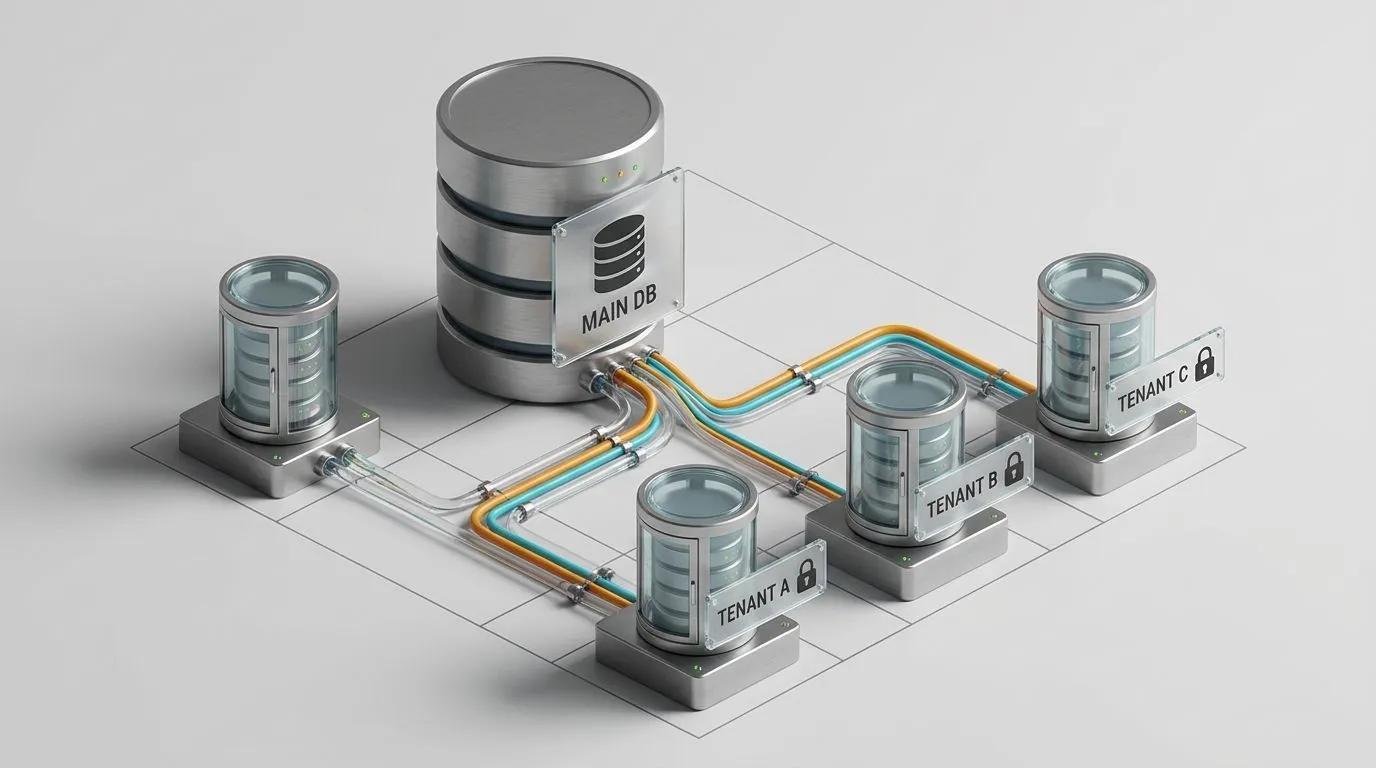
The second is the Silo Model (Isolated Databases). This involves provisioning a separate RDS instance—or utilizing Amazon Aurora Serverless v2 for independent auto-scaling—for each tenant. This provides maximum security, compliance, and performance isolation, but drastically increases infrastructure costs and deployment complexity.
A middle ground is the Bridge Model (Shared Database, Separate Schemas), which often balances isolation and cost during the growth phase.
For architects running multi-tenant platforms on AWS: which database isolation strategy do you prefer for production environments? Have you found Aurora Serverless effective for managing the unpredictable workloads of individual tenants without breaking the budget?
Enjoyed reading this content? Let the author know!
Your likes, comments, shares, and saves help creators reach more builders.

Loading recommendations
Loading article