AWS Builder Center
Building Scalable Microservices with AWS Lambda & DynamoDB: Lessons Learned from Production

Building Scalable Microservices with AWS Lambda & DynamoDB: Lessons Learned from Production

A practical guide on architecting serverless systems with AWS Lambda and DynamoDB. Learn key optimization patterns, common pitfalls, and real-world performance tips to scale reliably.

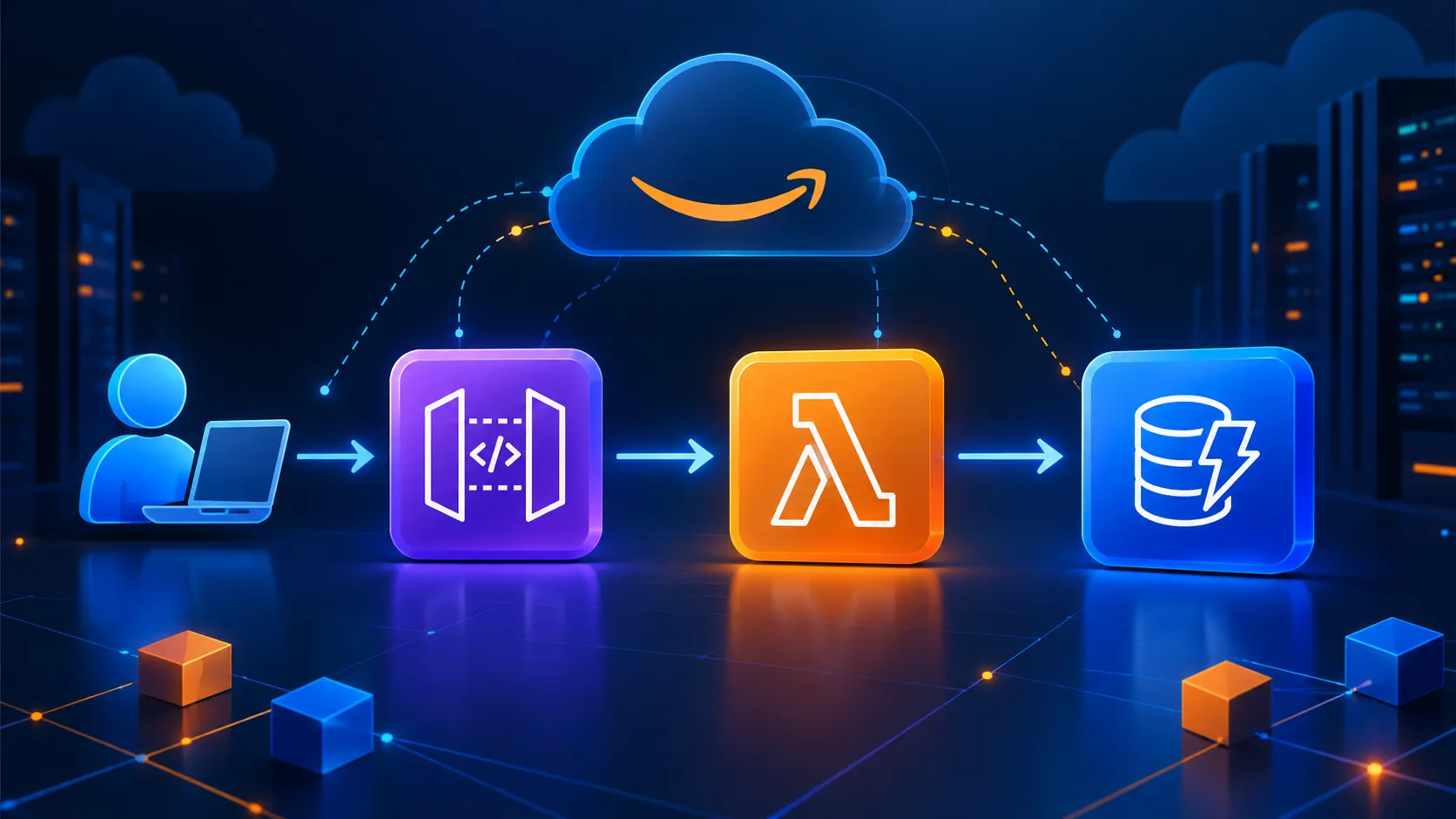
Architecting serverless solutions on AWS requires more than just deploying code to Lambda—it requires understanding event-driven patterns, data modeling in DynamoDB, and cost-efficient scaling strategies.

1. Optimize Lambda Cold Starts

Cold starts remain one of the most discussed challenges in serverless architecture.
  • Keep package sizes minimal: Exclude unnecessary dependencies and rely on lightweight runtimes like Node.js or Python.
  • Use Provisioned Concurrency: For latency-sensitive workloads, configure provisioned concurrency to maintain pre-warmed execution environments.
  • Optimize DB Connections: Initialize database connections outside the Lambda handler function to reuse connections across invocations.

2. Single-Table Design in DynamoDB

DynamoDB performs best when designed around access patterns rather than traditional relational schemas.
  • Partition Key (PK) and Sort Key (SK): Use composite keys to handle multi-entity relationships within a single table.
  • Global Secondary Indexes (GSIs): Sparingly create GSIs to support secondary read patterns without incurring unnecessary write overhead.

3. Asynchronous Execution with SQS and EventBridge

To prevent API Gateway timeouts and decoupling backend processing:
  • Offload heavy processing tasks to AWS SQS queues.
  • Use Amazon EventBridge to manage complex, multi-service event routing.


Community Discussion

What strategies have worked best for you when optimizing serverless performance? Drop your thoughts, architecture tips, or questions in the comments below!
Any opinions in this article are those of the individual author and may not reflect the opinions of AWS.
Enjoyed reading this content? Let the author know!

Your likes, comments, shares, and saves help creators reach more builders.

Loading recommendations

Loading article