

AWS Student Community Day Sahiwal 2026: Bringing the Tech Community to Our City
How we organized AWS Student Community Day in Sahiwal, bringing together 500+ attendees, 10 speakers, 8 workshops, and the wider tech community while learning to navigate the challenges of organizing a large-scale event in a smaller city.
Starting Small: Building an AWS Community in Sahiwal
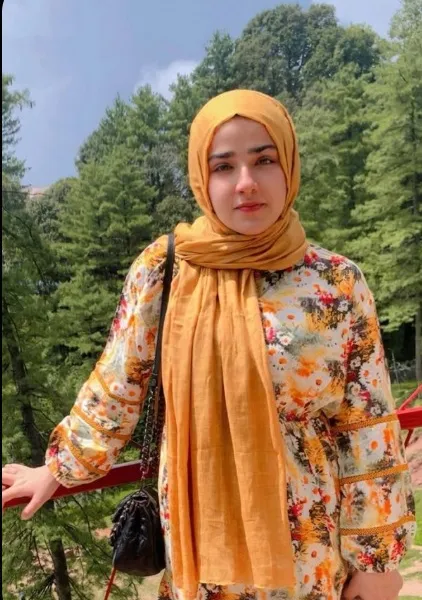
When I started the AWS Student Builder Group at COMSATS University Islamabad, Sahiwal Campus, in late 2025, very few students around me knew about AWS or the opportunities available through its community.
Our first introductory event had around 20–25 students. Most attended out of curiosity, and we were still at the beginning of building awareness about AWS and cloud technologies on campus.
From the start, I wanted our events to be more than presentations. Students can learn the theory of a technology in class, but understanding how it works in practice is a different experience. We started structuring our sessions around two parts: first, introduce the concept or AWS service, then give students an opportunity to explore it through hands-on activities.
Gradually, more students started joining us. Our events began attracting 70+ attendees, and we built a community of students who wanted to learn, experiment, and explore new technologies.
As the community grew, we began thinking about what else we could bring to Sahiwal. We wanted students to experience technical sessions, practical workshops, and conversations with people from the wider technology industry without always having to travel to another city.
That idea eventually became AWS Student Community Day Sahiwal 2026.

Bringing the Experience Closer to Students
Before planning this event, I had seen students from Sahiwal travel to Lahore and other major cities to attend technology events, meet industry professionals, and connect with the wider tech community.
Lahore is around 170 km by road from Sahiwal. For students, attending an event in another city can mean additional travel, expenses, and time away from their regular responsibilities.
I wanted to help create an opportunity closer to home.
With AWS Student Community Day Sahiwal, something changed. Instead of only seeing students from Sahiwal travel to bigger cities for tech events, we saw people from those cities coming to Sahiwal to attend ours.
For me, this was an important part of the experience. Students in smaller cities are interested in the same technologies and career opportunities as students elsewhere. They also deserve access to meaningful technical learning and opportunities to connect with the industry.
Our aim was not simply to organize another university event. We wanted to bring the wider technology community to Sahiwal and create an experience that local students could benefit from.
Planning an Event at This Scale
Organizing AWS Student Community Day was a different challenge from running our regular student sessions and workshops.
A community event of this scale requires much more than preparing a technical agenda. Speakers, workshops, venue arrangements, registration, promotion, attendee experience, catering, swag, and event-day coordination all need attention.
We had to consider the event from the attendee's perspective. What would students learn? Would they get opportunities to interact with speakers? Would the workshops offer practical value? Could we manage the arrangements for a much larger audience than our usual events?
We also had to coordinate many different tasks at the same time. Some depended on other decisions being finalized first, while others needed to move forward in parallel.
Since this was our first time organizing an event of this size, we were learning as we went. We had to make decisions, compare options, communicate with different people, and keep moving forward while dealing with the practical limitations of organizing in a smaller city.
The biggest lesson during planning was that the technical agenda is only one part of the event. A successful experience depends on how well all the other pieces come together.
Reaching Beyond Our Existing Community
One of our biggest challenges was awareness.
We could not rely only on students who already knew about AWS or followed our community activities. We wanted to reach students across different universities and colleges, including those who had never attended an AWS event before.
Our team worked on social media promotion, marketing, media outreach, and direct engagement. We also sent team members to different universities and colleges to spread awareness and encourage students to register.
This took consistent effort. Online promotion helped us reach a wider audience, while direct conversations gave students a chance to understand what the event was about and why it might be useful for them.
The response exceeded our initial expectations. Within the first week of opening registrations on Luma, we received more than 1,000 registrations.
That was encouraging, but it also brought a new challenge. Registration interest and actual attendance are not the same thing, and a large number of registrations does not automatically mean that a venue or the event arrangements can accommodate everyone.
We needed to plan responsibly around the expected audience and make sure the event could deliver a good experience for the people who attended.
For other student community organizers, this was a useful reminder: promotion should not be treated as a last-minute task. It takes time to build awareness, and a strong response needs to be matched with realistic planning.
Finding Local Support and Securing a Venue
Sponsorship and local support were another important part of the planning process.
Sahiwal has a different business and technology ecosystem from larger cities. Finding potential sponsors, identifying suitable vendors, and securing the resources needed for an event of this size required additional effort.
During planning, I discussed the event with Kashif Sohail, the leader of Sahiwal Tech Community. He is supportive of community initiatives and enjoys bringing people together through technology events.
Through these discussions and local coordination, we were able to secure venue support from the Punjab Government.
Having venue support was an important step. A suitable venue is one of the basic requirements for an event, but arranging it also affects budgeting and many other logistical decisions.
This experience showed me how important local relationships can be. Community leaders and local partners understand the environment, know the challenges, and can help connect organizers with resources that may otherwise be difficult to access.
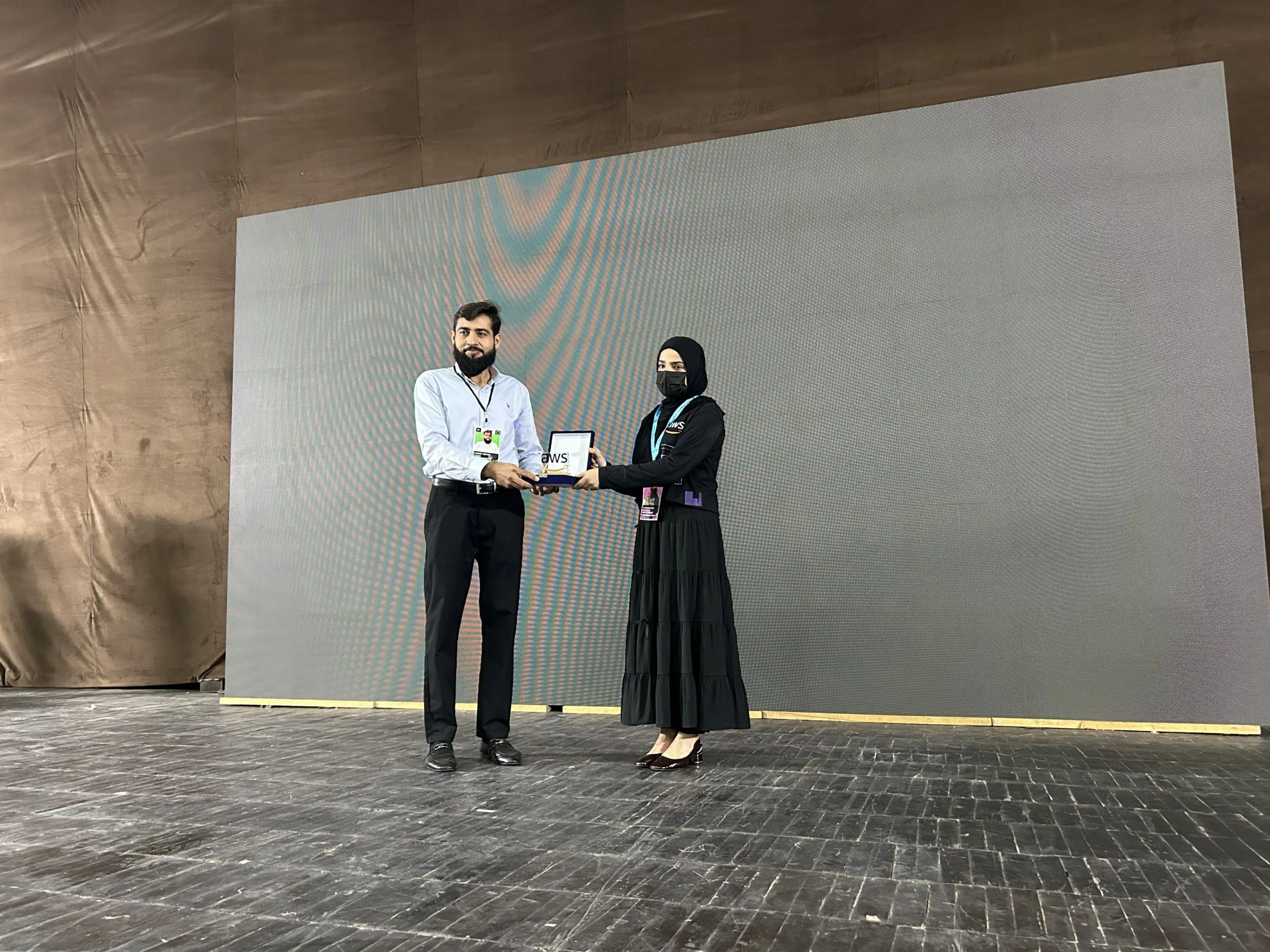
The event came together through the efforts of AWS, our Student Builder Group, and the people and organizations that supported the initiative.
The Work Behind the Scenes
Some of the hardest parts of organizing the event had little to do with the sessions themselves.
We needed to arrange attendee swag, diaries, pens, catering, decorations, and other supplies. Finding vendors who could provide good-quality items at reasonable prices was not easy. Sometimes local stock was limited, and prices were higher than expected.
Our team had to compare options, coordinate with vendors, manage costs, and sometimes go out personally to purchase the things we needed.
These tasks may seem small individually, but they add up quickly when an event involves hundreds of people. A delay in one arrangement can affect other preparations, so the team needs to keep track of multiple details at once.
We were also working within a budget. Every purchase required a balance between quality, cost, and the number of attendees we needed to accommodate. We wanted people to have a good experience without spending resources unnecessarily.
Because this was our first event at this scale, the process involved a lot of learning. We discovered that procurement and logistics need the same attention as speaker coordination and technical planning.
If I were advising another SBG Lead, I would recommend researching vendors early, comparing prices before making commitments, assigning clear responsibility for procurement, and keeping a backup option for essential supplies.
Event Day: AWS Student Community Day Sahiwal 2026
On October 10, 2026, AWS Student Community Day Sahiwal brought together students, speakers, and members of the technology community for a full day of learning and interaction.
The event featured 10 speakers, 8 workshops, and a panel discussion. This combination gave attendees different ways to engage with technology, from learning through sessions to exploring topics in workshops and listening to a broader discussion during the panel.
More than 500 people attended the event overall, with over 400 official attendee check-ins. The official check-in figure did not include speakers, guests, or the organizing team.
One thing that stood out to me was how engaged the attendees remained throughout the day. Students stayed in their seats and continued attending sessions. Seeing people stay involved across the event was encouraging, especially after the amount of work that had gone into planning it.
For us, the goal was never just to fill a hall. We wanted students to access useful technical content, practical learning opportunities, and conversations with people from the wider industry and community.
The event also brought together people who might not otherwise have had the opportunity to meet in Sahiwal. That is part of what makes community events valuable: they create opportunities for learning and connections beyond the individual sessions.

Speaker Outreach and Community Partnerships
Bringing speakers on board was another important part of the planning. Through direct outreach and AWS and community connections, we worked to bring people with different technical backgrounds and experiences to Sahiwal. We wanted attendees to learn from speakers who could share practical knowledge, industry perspectives, and experiences beyond what they usually get in the classroom.
Having speakers travel to Sahiwal also helped bring the wider tech community closer to local students and gave attendees an opportunity to connect with people working in the field.


Planning Swag and Meals for Every Attendee
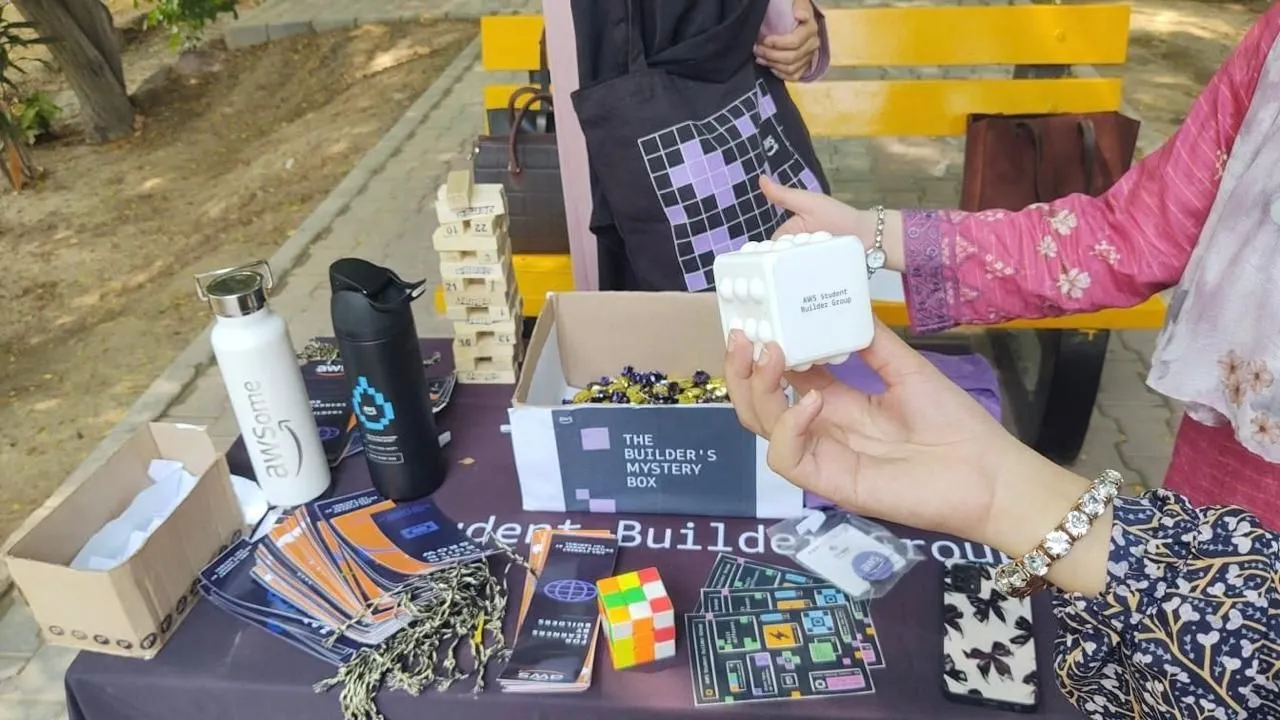
We wanted every attendee to feel welcomed, so we planned more than just the technical sessions. Our team arranged an attendee kit that included stickers, an attendee card, a pen, a bag, and a diary. We also arranged a meal for every attendee.
Preparing these items for an event of this size required careful planning. We had to consider quantities, costs, local availability, and the time needed to get everything ready. Finding vendors who could provide good-quality items at reasonable prices was not easy, especially when local stock was limited.
Alongside the regular attendee kits, we arranged exclusive swag, including mugs, for our icebreaking activities. These items added another element to the attendee experience and gave us a way to make the activities more engaging.
Managing all these arrangements while staying within budget was one of the practical challenges of organizing the event. It taught us that attendee experience is not limited to the sessions on stage. The small details, from receiving an event kit to having a meal during a full day of activities, also matter.
Food:

Swags:

Lessons for Other AWS Student Builder Group Leads
Looking back, several lessons from organizing AWS Student Community Day Sahiwal may be useful for other SBG Leads and student community organizers.
Start with the community you have. Our first introductory event had around 20–25 students. We did not start with a large audience. We focused on creating useful experiences and building awareness over time.
Make learning practical. Combining an introduction to a technology with hands-on activities can help students understand how it works. Give attendees something they can explore, build, or apply after the event.
Start outreach early. Reaching beyond your existing community takes consistent effort. Social media, campus visits, direct engagement, and collaboration with other communities can help introduce your event to students who might not otherwise hear about it.
Treat logistics as a core responsibility. Catering, venue arrangements, swag, procurement, budgeting, and vendor coordination are not minor details. They need clear ownership, deadlines, and backup plans.
Build local relationships. Community leaders, institutions, sponsors, and public-sector partners can help you access resources and reach people you might not be able to reach alone.
Prepare for registration numbers to grow. A strong response is encouraging, but teams should plan for venue capacity, check-in, supplies, catering, and attendee communication. Keep registrations and actual attendance separate when estimating requirements.
Coordinate the team clearly. An event of this size involves many tasks happening at the same time. Clear responsibilities, regular updates, and shared deadlines help everyone understand what needs to happen and when.
Think about the attendee experience from beginning to end. The technical sessions matter, but so do the arrangements that allow attendees to participate comfortably and get value from the day.
These lessons are not limited to large events. They can also help student communities organize smaller sessions more effectively and build a stronger foundation for future activities.

Looking Ahead
AWS Student Community Day Sahiwal was an important step for our local community. It showed us what can happen when students, community organizers, speakers, and local supporters work together around a shared goal.
One of the most meaningful parts was seeing people from larger cities come to Sahiwal for an event that our local community had worked hard to organize.
I hope this experience encourages other student community leaders in smaller cities to create opportunities where they are, rather than waiting for those opportunities to arrive elsewhere.
There is still a lot to learn and improve. Every event reveals things that can be done differently next time, from planning and coordination to how we reach students and manage resources. That learning is part of building a sustainable community.
For us, the next step is to keep creating opportunities for students to learn, build, and connect with the wider technology ecosystem.
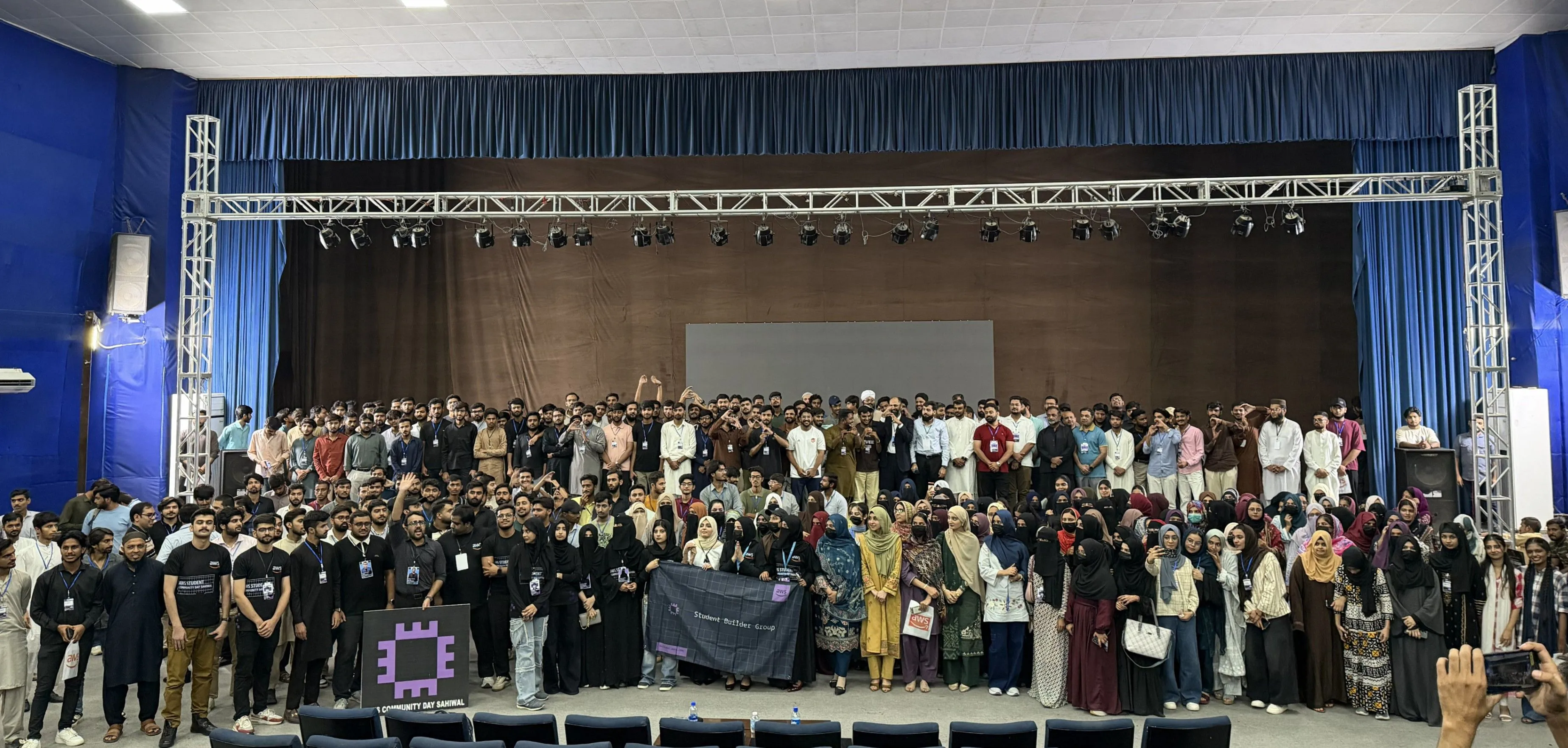
Thank you to everyone who contributed their time, support, and effort to AWS Student Community Day Sahiwal 2026. From the technical sessions to the work behind the scenes, every contribution helped bring the event together.
We look forward to continuing to build the AWS community in Sahiwal and creating more opportunities for students to explore technology together.
# aws-community-day# aws-community-day-recaps-2026# aws-community-builders# community# community-events
Any opinions in this article are those of the individual author and may not reflect the opinions of AWS.Enjoyed reading this content? Let the author know!
Your likes, comments, shares, and saves help creators reach more builders.

Loading recommendations
Loading article